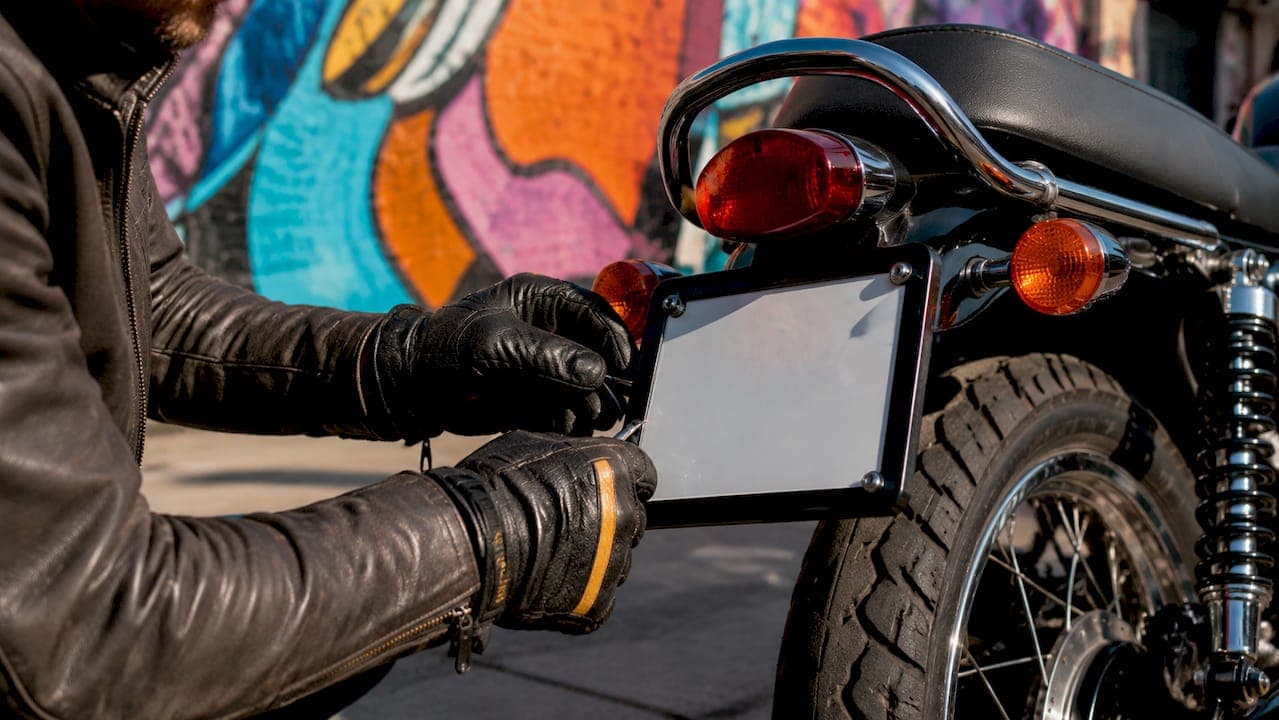
A secure number plate motorbike frame is defined as a mounting system that holds your registration plate firmly in place, keeps it fully legible, and protects it from theft, vibration damage, and weathering. For Irish riders, getting this right is not optional. Irish regulations set strict standards for plate visibility and positioning, and a poorly chosen or badly fitted motorbike number plate holder can land you with a fine before you've even left the car park. The good news is that choosing the right frame, using the correct materials, and installing it properly covers all three bases at once: legal compliance, theft deterrence, and long-term durability.
What are the legal requirements for motorcycle number plate frames in Ireland?
Irish regulations require your motorcycle number plate to be clearly legible from 20 meters and visible within a 45-degree arc both horizontally and vertically. That standard exists because Automatic Number Plate Recognition (ANPR) cameras used by An Garda Síochána rely on clean, unobstructed reads at speed. If your frame blocks even one character, you are asking to be pulled over.
The key legal requirements for motorcycle plate frames in Ireland are:
- Horizontal, upright mounting only. Your plate must sit parallel to the rear axle. Angled or tilted frames are not permitted, except in very limited circumstances.
- No character obstruction. The frame border must not overlap any digit, letter, or spacing on the plate surface.
- No tinted or reflective covers. Tinted covers over number plates are prohibited because they reduce legibility for photographic enforcement devices, even when the plate looks fine to the naked eye.
- No reflective coatings on the frame. Frames with mirror finishes or highly reflective edges can wash out plate characters in camera flash, making the plate unreadable.
- Plate must remain clean and unobscured. Dirt, mud, or a frame that traps debris around characters creates the same legal problem as a physical obstruction.
One thing that catches riders off guard: universal fit frames are not automatically legal. A frame marketed as "universal" may still obscure characters or alter the plate's angle enough to fail a compliance check. Always verify the fit against your specific plate dimensions before you ride.
Pro Tip: Before fitting any frame, hold it against your plate and check all four edges from a 45-degree angle. If any character is partially covered, the frame fails the legal test regardless of what the packaging claims.

What materials and design features make a motorbike plate frame secure?
The best number plate frame for a motorcycle combines high rigidity with vibration absorption. These two properties sound contradictory, but they work together. A rigid outer structure keeps the plate from flexing and cracking under road stress, while soft internal components absorb the constant vibration that causes stress fractures over time.
Material options and what they actually deliver
- CNC-machined aluminum. Lightweight, corrosion resistant, and far more rigid than standard plastic. Aluminum frames handle road salt and moisture without degrading, which matters on Irish roads in winter.
- Carbon fiber. The premium choice. Carbon fiber frames offer the highest rigidity-to-weight ratio and resist UV fading better than any plastic alternative. They cost more, but frequent riders recoup that cost by not replacing frames every season.
- High-grade polypropylene. A solid mid-range option. Better UV and weather resistance than basic plastic, and lighter than metal. A reasonable choice for riders who want compliance without spending on aluminum.
Security and anti-vibration features to look for
- Twist locks or slide locks. Locking mechanisms like twist or slide locks offer superior theft deterrence compared to standard bolt-on frames. A thief with a screwdriver can remove a standard frame in under a minute. A twist-lock frame requires a specific tool and motion that most opportunists won't bother with.
- Silicone pads and rubber seals. These sit between the plate and the frame, absorbing vibration before it reaches the plate material. Without them, metal frames transmit every road bump directly into the plate, causing micro-cracks that grow over time.
- Stainless steel screws. Stainless steel hardware resists corrosion from moisture and road salt far better than zinc-plated alternatives. Corroded screws seize in their threads, making future removal difficult and sometimes damaging the mounting bracket.
Quality motorbike frames typically range from €15 to over €80. The price difference reflects real differences in material quality, locking systems, and included hardware. Spending €30 more upfront on a frame with anti-vibration components and a locking mechanism is a straightforward trade-off against replacing a cracked plate and paying a compliance fine.
Pro Tip: Always check whether anti-vibration pads are included in the frame kit. Many budget frames ship without them, and buying silicone pads separately adds cost and an extra installation step.
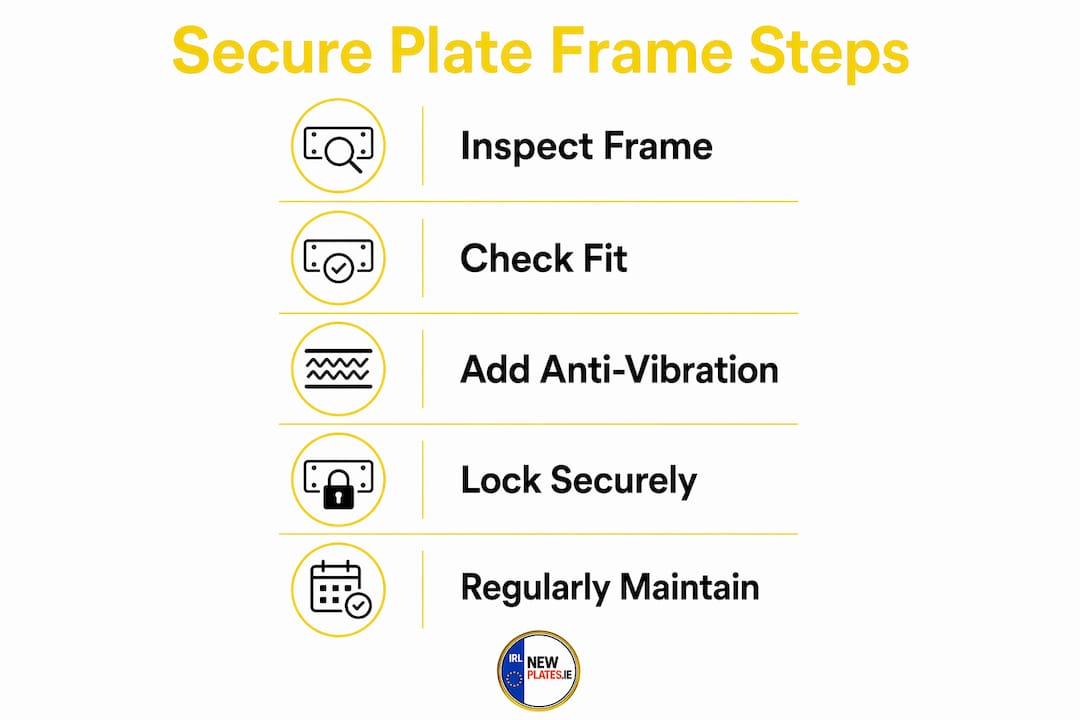
How to install a secure number plate frame on your motorcycle
Proper number plate frame installation takes about 20 minutes and requires only basic tools. Rushing the job or skipping the alignment check are the two most common mistakes riders make.
Tools and materials you need
| Item | Purpose |
|---|---|
| Stainless steel screws (M5 or M6) | Secure frame to mounting bracket |
| Silicone pads or rubber washers | Absorb vibration between plate and frame |
| Torque screwdriver | Prevent overtightening and thread damage |
| Isopropyl alcohol wipe | Clean mounting surface before fitting |
| Ruler or spirit level | Verify horizontal alignment |
Step-by-step installation
- Clean the mounting area. Wipe the rear mounting bracket with isopropyl alcohol. Grease, road grime, or old adhesive residue prevents a flush fit and causes the frame to sit at an angle.
- Check your plate condition. Inspect the plate for existing cracks or fading before fitting the frame. Fitting a frame over a damaged plate locks in the problem and may make replacement harder later.
- Position the frame over the plate. Lay the frame flat on the plate and confirm that no character is overlapped by the frame border. Check all four corners.
- Fit silicone pads. Place silicone pads or rubber washers between the plate and the frame at each mounting point. This step is the one most riders skip, and it is the one that prevents the most damage.
- Insert anti-theft screws. Use stainless steel screws and tighten to finger-tight first, then use a torque screwdriver to apply even pressure. Proper positioning parallel to axles reduces uneven stress that leads to frame and plate damage over time.
- Verify alignment. Use a ruler or spirit level to confirm the plate sits horizontally. Step back and check visibility from a 45-degree angle on both sides.
- Test the locking mechanism. If your frame uses a twist or slide lock, engage and disengage it twice to confirm it operates correctly before riding.
Pro Tip: Never overtighten screws on a plastic plate. Excess torque cracks the mounting holes, which creates a loose fit that vibration then worsens. Finger-tight plus a quarter turn is enough for most frames.
A detailed walkthrough of fitting a motorbike plate in Ireland covers additional model-specific tips worth reading before you start.
How to maintain and troubleshoot common frame issues
A secure motorcycle plate frame requires periodic checks to stay both legal and secure. Vibration, road salt, and UV exposure all degrade frame components gradually, and the problems tend to be invisible until they become serious.
Regular maintenance keeps you on the right side of the law and protects your plate from the kind of damage that requires a full replacement:
- Inspect for loose screws every 3 months. Road vibration works screws loose over time, even stainless steel ones. A loose frame rattles, which is annoying, but more importantly it allows the plate to flex and crack. Tighten any loose screws immediately.
- Clean the frame and plate surface monthly. Dirt and mud trapped in the frame border can obscure plate characters. Ignoring vibration damage and dirt buildup can lead to cracks, plate detachment, and legal penalties. A soft cloth and mild soap is all you need.
- Check silicone pads for compression. Over time, silicone pads compress and lose their vibration-absorbing properties. If you notice increased rattling despite tight screws, the pads are likely worn and need replacing.
- Inspect the plate for stress fractures. Look along the edges and around the mounting holes. Hairline cracks grow quickly under vibration. A cracked plate is a legal liability and should be replaced before it detaches.
- Replace corroded hardware immediately. Rust on screws or the frame itself is a sign that moisture has compromised the metal. Corroded screws can seize, making future maintenance difficult. Swap them out at the first sign of rust.
- Review compliance after any modification. If you change your bike's rear end, add a fender eliminator, or fit a new tail unit, recheck that your plate still sits horizontally and meets the 20-meter legibility standard. Modifications that look great can quietly push your setup out of compliance.
My honest take on picking the right frame for Irish roads
Riders in Ireland tend to underestimate how much the frame choice matters until they get stopped. I've seen riders spend serious money on a custom plate and then bolt it to a €5 plastic frame with standard zinc screws. Six months later, the screws have rusted, the plate is rattling, and the frame has cracked at one corner. The plate itself is fine. The mounting system failed it.
The frame is not a cosmetic accessory. It is the structural component that keeps your registration legal and readable. A frame that obscures a character or tilts the plate even slightly is a fine waiting to happen, and An Garda Síochána do check. ANPR cameras are not forgiving of partial reads.
My recommendation for Irish riders is to start with a CNC-machined aluminum frame with integrated silicone pads and stainless steel hardware. It costs more than a basic plastic frame, but it handles Irish weather, resists corrosion, and does not need replacing every year. If you want the lightest possible option and ride frequently, carbon fiber is worth the extra spend. The rigidity is genuinely better, and UV fading is not a concern.
The one thing I would tell every rider: do not assume a frame is legal because it fits. Check the character clearance yourself. Check the angle yourself. The frame manufacturer's compliance claim means nothing if the fit on your specific plate and bracket puts a border over a digit. That responsibility sits with you, not the manufacturer.
— Patrick
Newplates has you covered for compliant motorbike plates
Choosing the right plate is just as important as choosing the right frame. A plate that does not meet Irish standards creates compliance problems no frame can fix.

Newplates produces road-legal motorbike number plates built to Irish standards, with options including standard NCT-compliant plates and 3D Gel plates that combine legal compliance with a clean, professional finish. Every plate is made to the correct dimensions for Irish motorcycles, so you start with a plate that works with a proper frame rather than against it. Prices start from €15.99, and the full range is available at Newplates.ie. Getting the plate right from the start makes the whole frame installation process straightforward.
Key takeaways
A secure number plate motorbike frame requires the right materials, a locking mechanism, anti-vibration components, and correct alignment to stay both legal and theft-resistant on Irish roads.
| Point | Details |
|---|---|
| Legal visibility standard | Plates must be legible from 20 meters and visible within a 45-degree arc under Irish regulations. |
| Material choice matters | CNC-machined aluminum or carbon fiber outperforms basic plastic for durability and corrosion resistance. |
| Locking mechanisms deter theft | Twist or slide locks are significantly harder to remove than standard bolt-on frames. |
| Anti-vibration components are critical | Silicone pads and stainless steel screws prevent stress fractures and hardware corrosion over time. |
| Regular maintenance keeps you legal | Inspect screws, clean the frame, and check plate condition every 3 months to avoid compliance issues. |
FAQ
What makes a number plate frame legal in Ireland?
The frame must not obscure any plate character, must allow the plate to sit horizontally and upright, and must not include tinted or reflective covers. The plate must remain legible from 20 meters.
Are universal fit frames automatically road legal?
No. Universal fit frames can still fail compliance if they overlap plate characters or alter the mounting angle. Always check the fit against your specific plate before riding.
How do I stop my number plate from rattling?
Fit silicone pads or rubber washers between the plate and the frame at each mounting point, and use stainless steel screws tightened evenly. Rattling is almost always caused by missing anti-vibration components or loose hardware.
How often should I inspect my motorbike plate frame?
Inspect the frame, screws, and plate condition every 3 months. Vibration damage accumulates gradually, and catching a loose screw or cracked pad early prevents more serious plate damage.
Can I fit a locking frame myself?
Yes. Most locking frames install with standard tools in under 20 minutes. Follow the step-by-step process of cleaning the mount, fitting silicone pads, using anti-theft screws, and verifying alignment before riding.