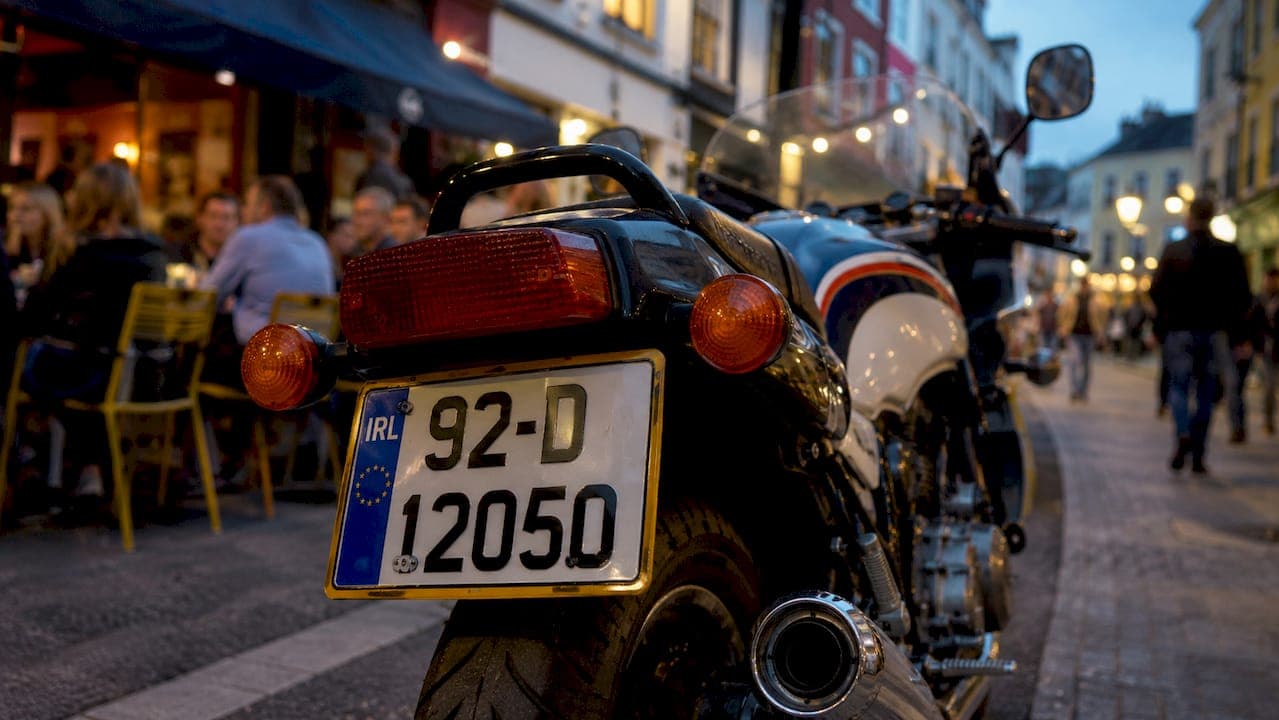
Gel motorcycle plates are raised, glossy number plates coated with a clear polyurethane resin that creates a 3D domed effect while remaining fully compliant with Irish road regulations. The industry term for these is 3D gel plates, and you will see both phrases used interchangeably by Irish riders and suppliers. They sit in a sweet spot between standard flat plates and the sharper raised look of 4D acrylic plates. If you want your bike to look sharper without falling foul of the gardaí, gel plates are worth understanding properly before you order.
What are gel motorcycle plates and how are they made?
Gel motorcycle plates are standard number plates with one key difference: a transparent, UV-cured polyurethane gel resin is applied over the printed characters to create a raised 3D domed effect approximately 2mm high. That dome is what gives the plate its premium, almost jewel-like appearance. The gel itself is completely clear, so it does not change the color of the characters underneath.
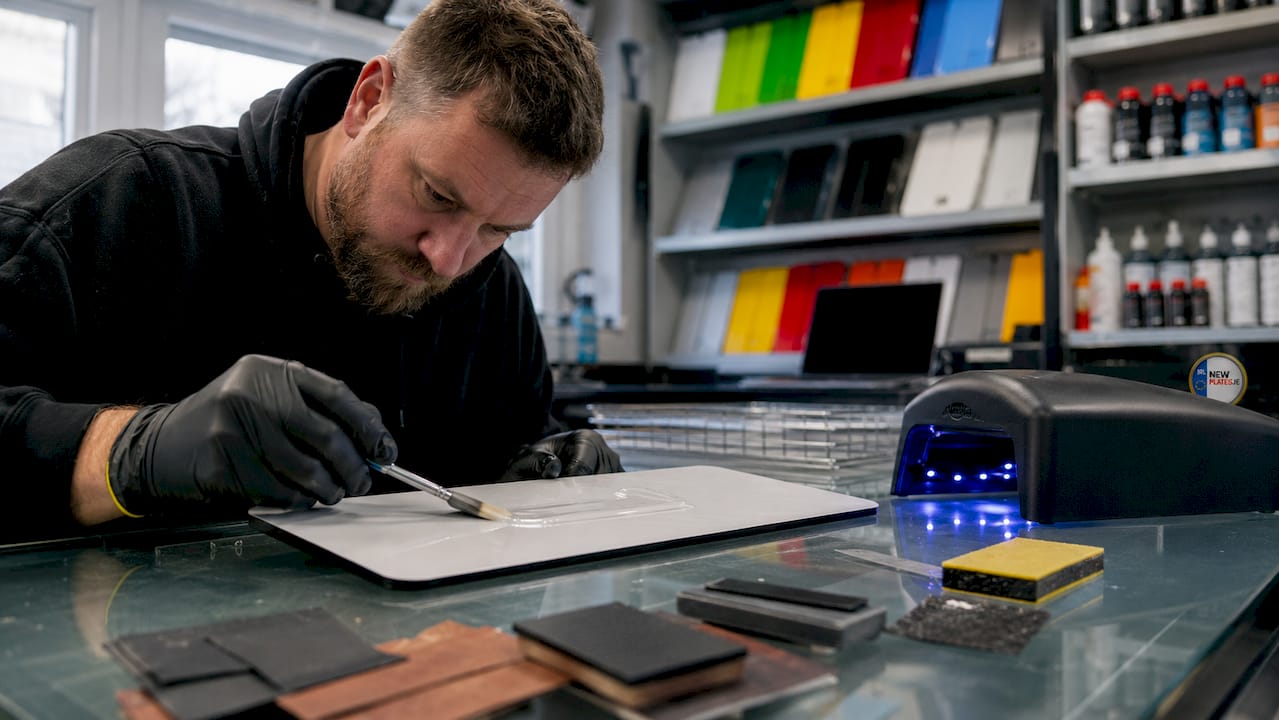
The characters are printed in the mandatory Charles Wright font before the resin is applied. This matters because the font geometry must remain intact after the gel cures. The gel preserves the black-on-white contrast required for reflectivity and ANPR camera readability, meaning the plate still works exactly as a legal plate should at night or in poor weather.
Here is what the construction process produces:
- Base plate: White reflective background meeting Irish road standards
- Characters: Printed in Charles Wright font at the correct height and spacing
- Gel layer: Clear polyurethane resin applied over each character, curing to a smooth dome roughly 2mm above the plate surface
- Result: A glossy, raised finish that looks premium without altering any legally required visual property
Pro Tip: Ask your supplier to confirm the gel is UV-cured rather than air-dried. UV curing produces a harder, more durable dome that resists yellowing over time.
The 2mm dome height is a key detail. It is enough to create a striking visual effect, but not so thick that it distorts character shapes or spreads resin beyond the character boundaries. A well-made gel plate looks sharp from any angle.
Are gel motorcycle plates legal in Ireland?
Gel motorcycle plates are legal in Ireland, provided they meet the required specifications for font, character dimensions, spacing, and reflective background. Compliance is not automatic just because a plate has a gel coating. The gel is only legal if the underlying plate was correct to begin with and the resin application does not distort anything.
Irish road standards require motorcycle plates to use the Charles Wright font with 64mm tall characters on a reflective white background. These requirements are analogous to the BS AU 145e standard used as a benchmark for plate quality across Ireland. The plate must also display the manufacturer's name and a standard compliance code marking, typically on the rear of the plate.
The most common reasons gel plates fail compliance include:
- Incorrect character size or spacing before the gel is even applied
- Gel resin spreading beyond character boundaries, widening letters beyond allowed tolerances
- Missing manufacturer markings on the plate, which renders it illegal regardless of how good it looks
- Wrong font used as the base, which no amount of gel can fix after the fact
That last point about manufacturer markings catches a lot of riders off guard. You can have perfect font, perfect size, and a beautiful gel finish, and the plate is still technically illegal if the supplier's name and compliance code are missing from the back. Always check the rear of any plate you receive.
Legality depends on strict adherence to font, character dimensions, spacing, and reflectivity standards rather than the mere presence of raised characters. Style is secondary to compliance. The gardaí and NCT inspectors check both.
Gel plates vs. other plate types: benefits and drawbacks
Gel plates offer a genuinely premium look compared to standard flat 2D plates. The glossy dome catches light in a way that a flat printed plate simply cannot. For riders who take pride in how their bike looks, that visual difference is real and noticeable.
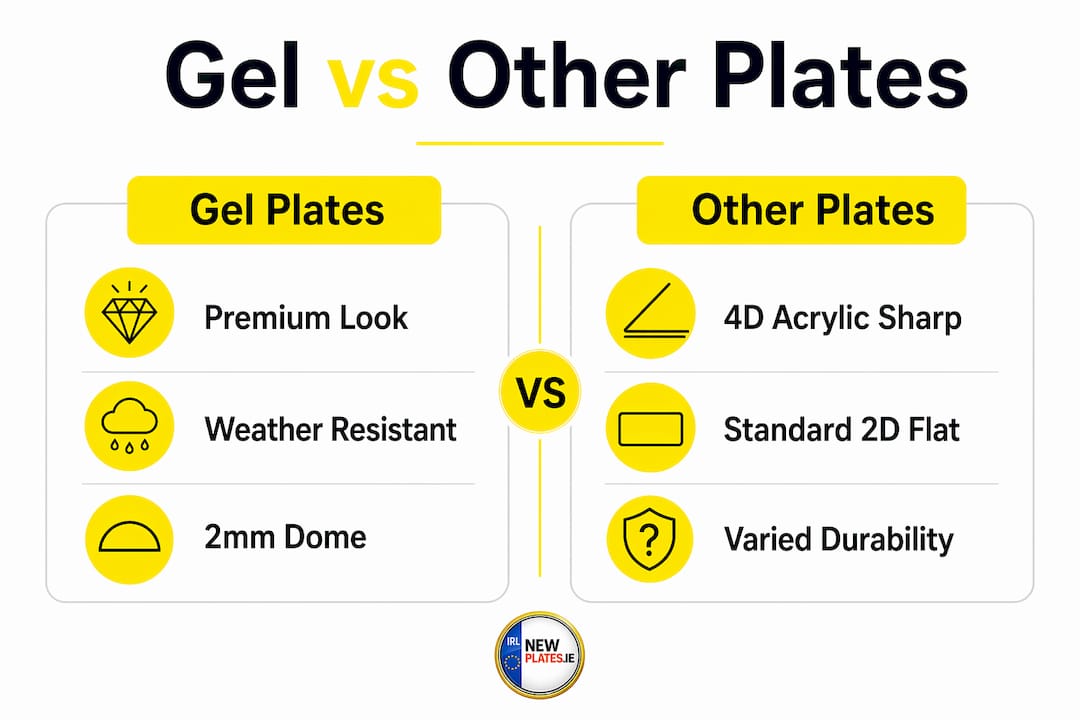
Gel coating protects against weather and fading, making plates last longer and easier to clean than flat printed alternatives. Road grime wipes off the smooth gel surface without scratching the characters underneath. That durability advantage is practical, not just cosmetic.
| Feature | 3D gel plate | 4D acrylic plate | Standard 2D plate |
|---|---|---|---|
| Raised effect | Yes, 2mm dome | Yes, 3–5mm angular | No |
| Character edge | Rounded, smooth | Sharp, defined | Flat |
| Durability | High | High | Moderate |
| Legal in Ireland | Yes, if compliant | Yes, if compliant | Yes, if compliant |
| Visual style | Glossy, premium | Bold, graphic | Clean, plain |
4D plates use laser-cut acrylic characters bonded to the plate surface, producing a sharper, more angular raised effect at 3–5mm thickness. The difference is a matter of taste. Gel plates have a softer, more refined look. 4D plates have a bolder, more graphic presence. Both are road-legal in Ireland when made to the correct specifications.
The main drawback of gel plates is that a poor-quality application can cause the resin to spread beyond character edges. This is a non-obvious compliance pitfall that riders rarely think about when ordering. It is not visible to the naked eye at a glance, but it can push character widths beyond legal tolerances. Buying from a reputable, registered Irish supplier eliminates this risk.
Pro Tip: If you are torn between gel and 4D, consider your bike's overall aesthetic. Gel suits classic, touring, and sport bikes where a refined finish fits the look. 4D suits naked bikes and streetfighters where a bolder graphic style works better.
How to customize, order, and install gel motorcycle plates in Ireland
Customizing and ordering a gel plate in Ireland follows a clear process. Getting it right from the start saves you from having to reorder.
Customization options
Gel motorcycle number plates offer several choices beyond just the registration text:
- Plate size: Motorcycle plates come in standard oblong or square formats depending on your bike's mounting space
- Single or two-line format: Two-line plates are common on motorcycles with limited horizontal space
- Border style: Some suppliers offer colored borders or glitter edge finishes for added style
- Finish: Standard gel dome or specialty finishes like 3D glitter edge
Ordering requirements
- Enter your registration exactly as it appears in your vehicle logbook. One wrong character means a plate that is illegal to use on the road.
- Provide proof of entitlement. This typically means your vehicle registration certificate or equivalent Irish documentation.
- Provide valid ID. Irish suppliers registered with the relevant authority require this before producing a road-legal plate.
- Order from a registered Irish supplier. Purchasing from authorized suppliers is the only way to guarantee the plate carries the correct compliance markings on the rear.
- Confirm the plate standard. Ask the supplier to confirm the plate meets the Irish equivalent of BS AU 145e before you pay.
Installation best practices
- Mount the plate so it is clearly visible and not obscured by luggage, bodywork, or accessories
- Use the correct fixing points on your bike's tail section
- Check that the plate sits flat and does not vibrate loose at speed
- Confirm the plate is readable from the required distance under normal lighting conditions
The ordering process requires proof of entitlement plus ID, and plates must come from authorized suppliers. That requirement exists to prevent fraudulent plates from reaching Irish roads. It is a minor inconvenience that protects every rider.
Key takeaways
Gel motorcycle plates are legal, durable, and visually superior to standard flat plates, but only when made to the correct Irish specifications by a registered supplier.
| Point | Details |
|---|---|
| Construction | A clear polyurethane gel resin creates a 2mm dome over correctly printed characters. |
| Legal compliance | Plates must use Charles Wright font, 64mm characters, and carry manufacturer markings. |
| Durability advantage | Gel coating resists weather, fading, and road grime better than flat printed plates. |
| Gel vs. 4D difference | Gel produces a rounded 2mm dome; 4D acrylic produces a sharper 3–5mm raised effect. |
| Ordering rule | Always buy from a registered Irish supplier and provide proof of entitlement plus ID. |
Why I always tell riders to check the back of the plate first
People ask me about gel plates regularly, and the conversation almost always starts with aesthetics. That is fair. A well-made gel plate genuinely does look better than a flat one. But the question I always ask back is: did you check the rear of the plate when it arrived?
The compliance markings on the back of a plate are the single most overlooked detail in the entire process. I have seen riders show up to NCT checks with beautiful gel plates that fail not because the font was wrong or the characters were too small, but because the supplier's name and compliance code were missing. The plate looked perfect. It was still illegal.
My honest advice is to treat the rear of the plate as seriously as the front. If a supplier cannot tell you exactly what markings will appear on the back before you order, find a different supplier. Premium finishes like 3D gel must preserve the underlying font geometry and visual clarity to comply with standards. That responsibility sits with the supplier, but you are the one who gets pulled over if something is wrong.
Maintenance is simpler than most riders expect. A soft cloth and warm soapy water is all you need to keep the gel surface clean and glossy. Avoid abrasive cleaners or stiff brushes, which can dull the dome over time. A gel plate that is cleaned regularly will hold its gloss for years.
— Patrick
Road-legal gel plates for Irish motorcyclists at Newplates
Newplates produces road-legal 3D gel motorcycle plates built to Irish road standards, with the correct font, character dimensions, and compliance markings included as standard. Every plate is made to order with your exact registration.
Newplates offers a range of sizes and finishes, including standard gel dome and specialty options like 3D glitter edge plates for riders who want something a little different. If you prefer the sharper raised look, 4D legal plates are also available. Prices start from €15.99, and the ordering process is straightforward: enter your registration, upload your proof of entitlement, and your compliant plate ships directly to you.
FAQ
What are gel motorcycle plates made of?
Gel motorcycle plates are standard reflective number plates with a transparent, UV-cured polyurethane gel resin applied over the characters to create a raised 3D dome approximately 2mm high.
Are gel plates road legal in Ireland?
Yes, gel plates are road legal in Ireland if they use the Charles Wright font, correct character dimensions, a reflective white background, and carry the required manufacturer compliance markings on the rear of the plate.
What is the difference between gel and 4D motorcycle plates?
Gel plates use a clear resin dome for a soft, rounded 2mm raised effect, while 4D plates use laser-cut acrylic characters bonded to the surface for a sharper, angular raised effect at 3–5mm thickness.
Can gel plates fail an NCT inspection?
Yes. Gel plates fail NCT inspections if the resin has spread beyond character boundaries, if the font or character size is incorrect, or if the plate is missing the required manufacturer and compliance markings on the rear.
How do I clean and maintain a gel motorcycle plate?
Wipe the plate with a soft cloth and warm soapy water. Avoid abrasive cleaners or stiff brushes, which can scratch and dull the gel surface over time.