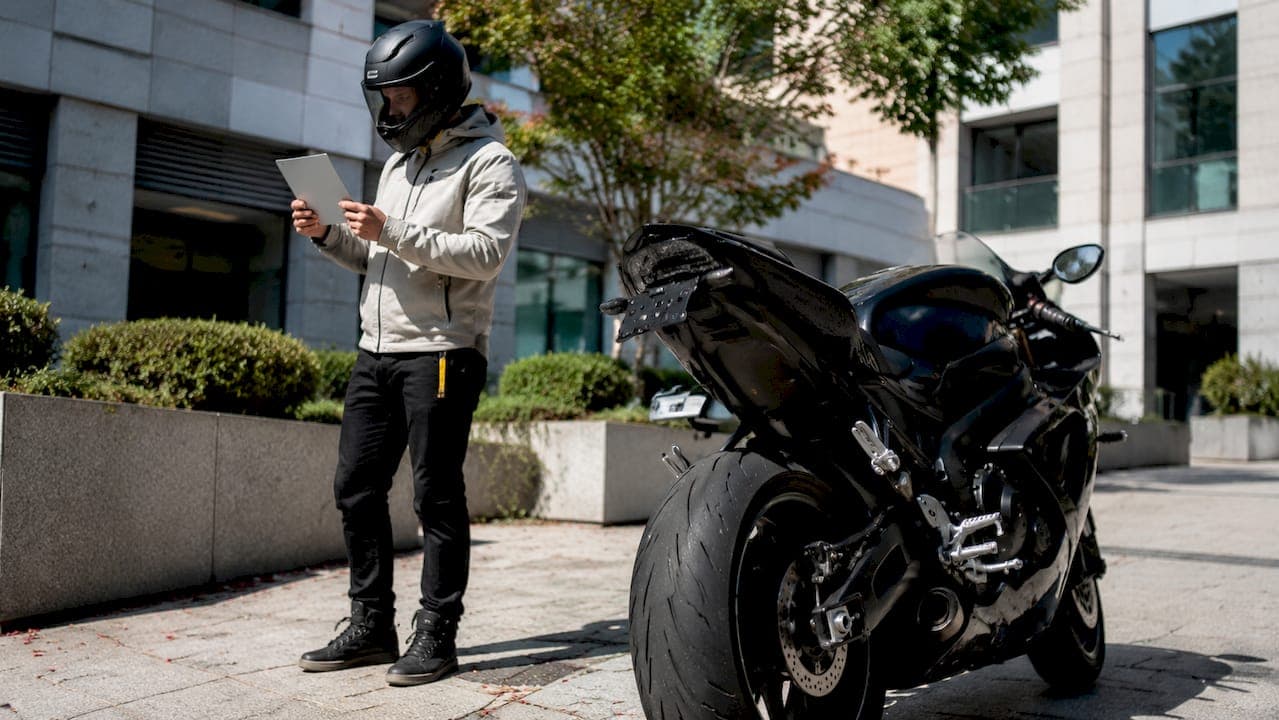
Square motorcycle plates are officially approved number plates designed in a near-square format, offering a legal and stylish alternative to the traditional rectangular plate for motorcycles. If you have ever spotted a bike with a compact, blocky plate sitting neatly beneath the tail unit and wondered whether it was road legal, the answer is often yes. Square plates are not some grey-market novelty. They are a recognised format governed by the same British Standard (BS) regulations that apply to every other plate on the road. This guide covers the legal requirements, size comparisons, practical benefits, and ordering tips you need to make a confident decision in 2026.
What are square motorcycle plates and how are they defined?
A square motorcycle plate is a number plate whose width and height are roughly equal, as opposed to the long, narrow rectangular format most people associate with cars. The term "square plate" is an informal description. The recognised industry term is a short plate or compact motorcycle plate, and it sits within the broader category of motorcycle registration plates governed by BS AU 145e in the UK and equivalent Irish standards.
These plates became particularly popular as motorcycle design evolved. Modern sports bikes, naked bikes, and Japanese imports often feature tail sections with very little horizontal space, making a wide rectangular plate look awkward or even impossible to mount cleanly. A square format solves that problem without sacrificing legal compliance. Riders of everything from a Yamaha MT-07 to a Honda CBR600RR have adopted them for exactly this reason.
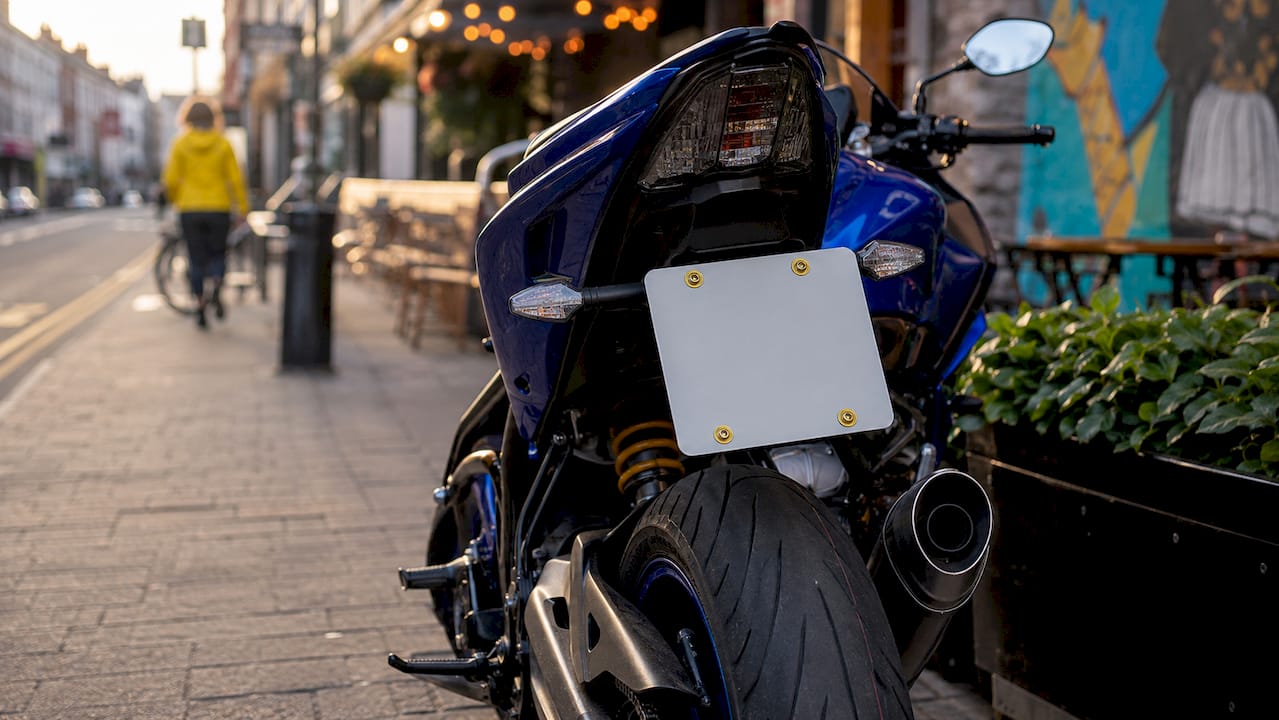
The key point is that the plate shape itself is not what determines legality. What matters is whether the characters on the plate meet the required dimensions and whether the plate material meets reflectivity standards. A square plate that ticks those boxes is just as road legal as any other format.
What legal requirements apply to square motorcycle plates in the UK and Ireland?
Legal compliance for motorcycle plates in the UK and Ireland comes down to a specific set of rules, and getting them wrong is genuinely asking to be pulled over. Here is what you need to know.
-
Rear plate only for post-2001 bikes. Motorcycles registered on or after 1 September 2001 in the UK must only display a rear number plate. Bikes registered before that date may carry a front plate but are not required to. This single rule shapes almost every decision about how and where a square plate is mounted.
-
Character dimensions are non-negotiable. Regulations specify a character height of 64mm, along with precise rules for character width, stroke thickness, and spacing. These figures apply regardless of plate shape or size.
-
No minimum plate size, but characters must fit. There is no minimum size for motorcycle plates provided the character size and spacing requirements are met in full. This is the legal opening that makes compact square plates possible.
-
Reflective background is mandatory. The rear plate must have a yellow reflective background. White backgrounds are for front plates only, which is largely irrelevant for post-2001 motorcycles.
-
BS AU 145e compliance. The plate must carry the British Standard number, the name and postcode of the supplier, and the name and postcode of the manufacturer. A plate missing this information is not road legal, regardless of how good it looks.
-
Irish NCT requirements. In Ireland, plates must comply with the Road Vehicles (Registration and Licensing) Regulations. Newplates produces plates that meet NCT standards, so Irish riders are covered when ordering through a compliant supplier.
Pro Tip: Always check that your chosen plate supplier prints their name, postcode, and the BS AU 145e reference directly onto the plate. If that information is absent, the plate fails a roadside check regardless of character size.
Mounting matters too. The plate must be clearly visible and not obscured by the bike's bodywork, a tyre, or a decorative frame that covers any part of the registration. Frames are fine as long as they do not encroach on the characters or the border.
How do square motorcycle plates compare to standard rectangular plates?
The practical differences between square and rectangular motorcycle plates come down to dimensions, mounting flexibility, and visual impact. The table below sets out the key comparisons.
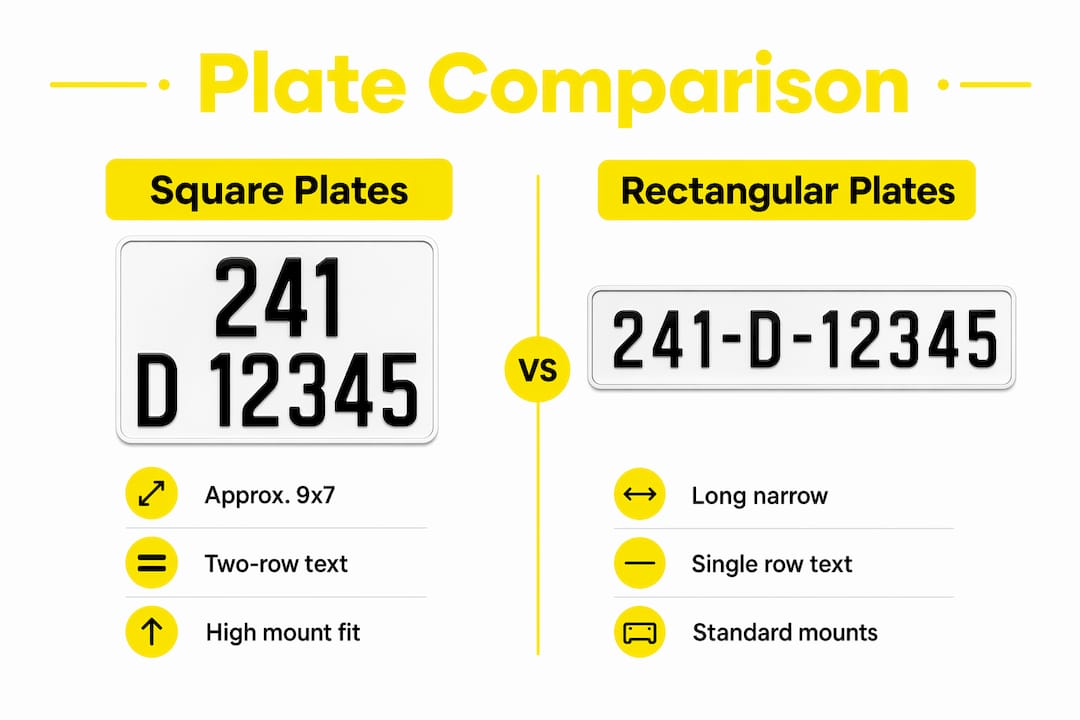
| Feature | Square plate | Standard rectangular plate |
|---|---|---|
| Typical dimensions | 9 x 7 inches (approx. 229 x 178mm) | 9 x 3 inches (approx. 229 x 76mm) |
| Character arrangement | Two rows of characters | Single row of characters |
| Mounting width required | Narrower horizontal space needed | Wider horizontal space required |
| Visual style | Compact, modern, sporty | Traditional, familiar |
| Legal status (UK/Ireland) | Legal if BS compliant | Legal if BS compliant |
| Common use case | Sports bikes, imports, naked bikes | Standard road bikes, older registrations |
Square motorcycle plates commonly come in 9x7 inch dimensions, though smaller sizes are perfectly legal provided the characters meet the 64mm height requirement. That flexibility is a genuine advantage. A standard rectangular plate on a narrow-tailed sports bike can look like an afterthought, whereas a square plate sits flush and proportionate.
The two-row character arrangement on a square plate is worth understanding. Your registration is split across two lines, which is why the plate can be narrower while still displaying all the required characters at the correct size. This is not a workaround. It is an explicitly permitted layout under BS regulations.
From a manufacturer's perspective, square plates require slightly more precise production to keep both rows of characters correctly spaced and sized. From a rider's perspective, the result is a plate that looks intentional rather than bolted on as an afterthought.
What are the benefits of choosing square motorcycle plates?
Square plates offer more than just a tidy look. There are practical, legal, and personalisation advantages that make them the preferred choice for a growing number of riders.
-
Better fit for modern bike designs. Many contemporary motorcycles, particularly Japanese sports bikes and naked models, have narrow tail sections. A square plate fits these mounting points cleanly without requiring modifications to the bike's bodywork.
-
Durability through specialist materials. DURASTEALTH backing with a matte black finish adds genuine durability and a stealthier aesthetic. This type of backing resists stone chips, UV fading, and the general punishment a motorcycle plate takes at speed.
-
Personalisation options. Square plates are available in 3D gel and 4D raised letter formats, giving you a plate that stands out without breaking any rules. Newplates offers these finishes across its motorcycle plate range, so you are not limited to a flat printed plate.
-
Compliance reassurance for newer registrations. Because post-2001 bikes only need a rear plate, the square format is purpose-built for this single-plate setup. There is no ambiguity about front plate requirements.
-
Specialist options for Japanese imports. Square plates designed for Japanese imports allow riders to fit a compliant plate when the bike's original mounting point does not accommodate a standard UK rectangular format. This is a common issue with JDM (Japanese Domestic Market) imports.
Pro Tip: If your bike has a high-mount tail unit or a hugger-style rear end, measure the available mounting width before ordering. A 9x7 inch square plate needs roughly 229mm of horizontal clearance, which is considerably less than a standard rectangular plate.
What should you consider when ordering and fitting square motorcycle plates?
Getting the right plate is straightforward if you follow a logical process. Here is a practical order of steps.
-
Confirm your registration date. If your motorcycle was registered after 1 September 2001, you need a rear plate only. This affects how you mount the plate and which frame or bracket you purchase.
-
Measure your mounting point. Take the width and height of the space where the plate will sit before you order. A plate that does not fit the mounting bracket is a wasted purchase.
-
Choose a BS-compliant supplier. Ordering through a specialist provider guarantees compliance with current BS standards and gives you access to customisation options including 3D gel and 4D raised lettering. Newplates covers both UK and Irish regulatory requirements.
-
Select your finish and format. Standard reflective, 3D gel, and 4D raised letter options are all available. The choice is aesthetic, but bear in mind that 4D plates can be more susceptible to character damage if the plate is mounted close to the tyre or exhaust.
-
Check your frame or bracket. The mounting frame must not cover any part of the registration characters or the plate border. A frame that clips even a millimetre of a character is a legal issue, not just a cosmetic one.
-
Inspect after fitting. Once mounted, stand behind the bike and check that the plate is level, fully visible, and not obscured by the mudguard, tyre, or any bodywork panel. A plate that cannot be read clearly from directly behind the vehicle is non-compliant.
For riders fitting motorbike number plates for the first time, it is worth noting that the plate should be secured with tamper-resistant fixings where possible. Plates that rattle loose at motorway speeds are both a safety concern and a potential fine.
Are square motorcycle plates legal in other regions like the US?
Square plate legality outside the UK and Ireland is not uniform, and riders who travel or import motorcycles need to be aware of the differences.
-
In the United States, South Carolina's DMV offers specialty motorcycle plates including personalised options, but whether a square shape is permitted depends entirely on the individual state's DMV rules. There is no federal standard for plate shape.
-
Some US states require plates to match the dimensions of the standard issue plate provided by the DMV. Using an aftermarket square plate in those states, even with correct characters, could result in a fine.
-
In the UK and Ireland, the shape is not prescribed by law. Compliance is determined by character dimensions, reflectivity, and supplier information, which is why square plates are legally straightforward in both jurisdictions.
-
Riders importing a motorcycle from Japan or the US should check whether the original plate mounting point requires a specialist square format and confirm that any replacement plate meets local standards before riding on public roads.
The practical advice is simple: never assume that a plate legal in one country is legal in another. Always check with the relevant local authority or a compliant plate supplier before riding.
Key takeaways
Square motorcycle plates are legal in the UK and Ireland provided they meet BS AU 145e character dimensions, carry supplier information, and display a yellow reflective rear background.
| Point | Details |
|---|---|
| Legal basis | Compliance depends on character size and BS standards, not plate shape. |
| Post-2001 rule | Bikes registered after 1 September 2001 require a rear plate only, making square formats ideal. |
| Standard dimensions | 9x7 inches is the common square plate size, but smaller plates are legal if characters meet the 64mm height rule. |
| Personalisation | 3D gel and 4D raised letter finishes are available and road legal through compliant suppliers. |
| International variation | Square plate legality varies by US state; always verify local rules before riding abroad. |
Why square plates are worth taking seriously in 2026
I have spoken with a lot of riders over the years who treat the number plate as an afterthought, something to bolt on and forget. That attitude tends to change the first time they get pulled over for a non-compliant plate, or the first time they see a well-fitted square plate on a sports bike and realise how much cleaner the whole rear end looks.
What strikes me most about the shift toward square plates is that it is not purely aesthetic. Riders are making genuinely informed decisions about fit, compliance, and durability. The availability of DURASTEALTH and gel finishes means you no longer have to choose between a plate that looks good and one that survives a winter of road salt and stone chips.
The regulatory picture in the UK and Ireland is actually quite rider-friendly once you understand it. No minimum plate size, flexible character arrangement, and a clear set of rules that a good supplier handles for you. The confusion tends to come from riders who order plates from non-specialist sources and end up with something that looks right but fails on the detail.
My honest view is that if you ride a modern sports bike or a Japanese import, a square plate is not just a style choice. It is often the most practical and proportionate option available. Order from a compliant supplier, check your mounting dimensions, and you will have a plate that is both road legal and genuinely worth looking at.
— Patrick
Get your square motorcycle plate from Newplates
Whether you are after a clean, compliant square plate for your sports bike or a personalised 4D gel plate that turns heads at the weekend, Newplates has you covered.
Newplates specialises in custom motorcycle plates that meet both UK and Irish regulatory standards, including NCT compliance for Irish riders. The range covers standard reflective plates, 3D gel, and 4D raised letter options, all produced with the correct BS supplier information printed on the plate. Prices start from €15.99, and every plate is built to the character dimensions and reflectivity standards that keep you on the right side of the gardaí. Browse the full range at Newplates.ie and order with confidence.
FAQ
What size is a standard square motorcycle plate?
Square motorcycle plates commonly measure 9x7 inches (approximately 229 x 178mm), though smaller sizes are legal in the UK and Ireland provided the characters are 64mm tall and correctly spaced.
Do motorcycles need a front and rear plate?
Motorcycles registered on or after 1 September 2001 in the UK are required to display a rear plate only. Bikes registered before that date may carry a front plate but are not obliged to.
Are square plates road legal in Ireland?
Yes. Square motorcycle plates are road legal in Ireland provided they comply with the relevant registration regulations, including correct character dimensions, a yellow reflective rear background, and supplier details printed on the plate.
Can I get a personalised square motorcycle plate?
Yes. Specialist suppliers including Newplates offer personalised square plates in 3D gel and 4D raised letter formats. The personalisation applies to the style and finish of the plate, not the registration number itself, which must match your vehicle's official registration.
What is a square Jap plate?
A square Japanese import plate is a specialist plate designed for motorcycles originally built for the Japanese domestic market, where mounting points do not accommodate standard UK rectangular plates. These plates allow riders to display their registration legally on bikes with non-standard tail sections.