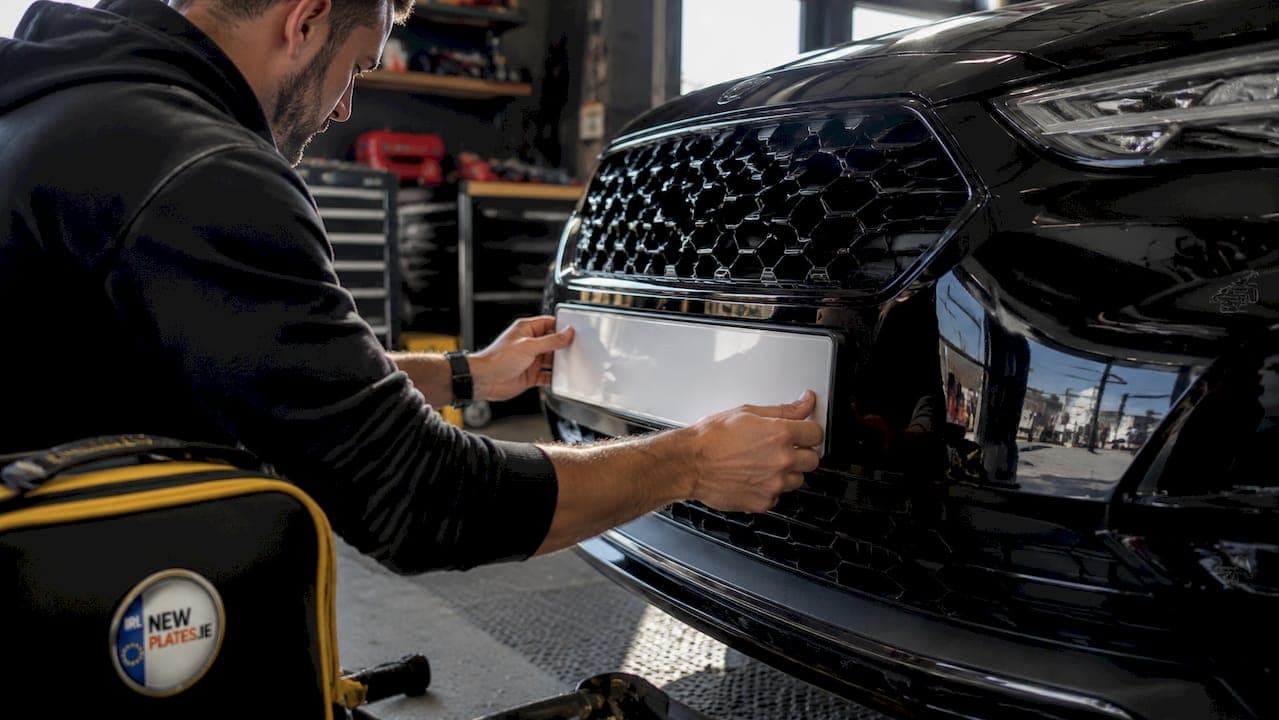
4D gel plates are premium vehicle number plates constructed from laser-cut acrylic characters bonded to a reflective base and finished with a domed polyurethane gel coating, producing a high-gloss finish with approximately 5mm of total character depth. Irish vehicle owners increasingly choose them for the combination of showroom-quality aesthetics and full compliance with current road regulations. Whether you drive a daily commuter or a weekend show car, understanding what separates 4D gel from every other plate type helps you make a smarter, legal, and more personal choice. This guide covers construction, compliance, benefits, comparisons, and care in one place.
What are 4D gel plates and how are they constructed?
4D gel plates are defined by a two-stage manufacturing process that stacks precision and visual impact on top of each other. The foundation is a laser-cut acrylic character approximately 3mm thick, cut with sharp, clean edges and bonded directly to a reflective substrate. Over each character, a polyurethane gel dome is dispensed and then UV cured, adding another layer of depth and locking in a smooth, glass-like surface. The combined result is a character depth of around 5mm, which is noticeably more pronounced than anything you get from a standard flat plate or even a 3D gel option.
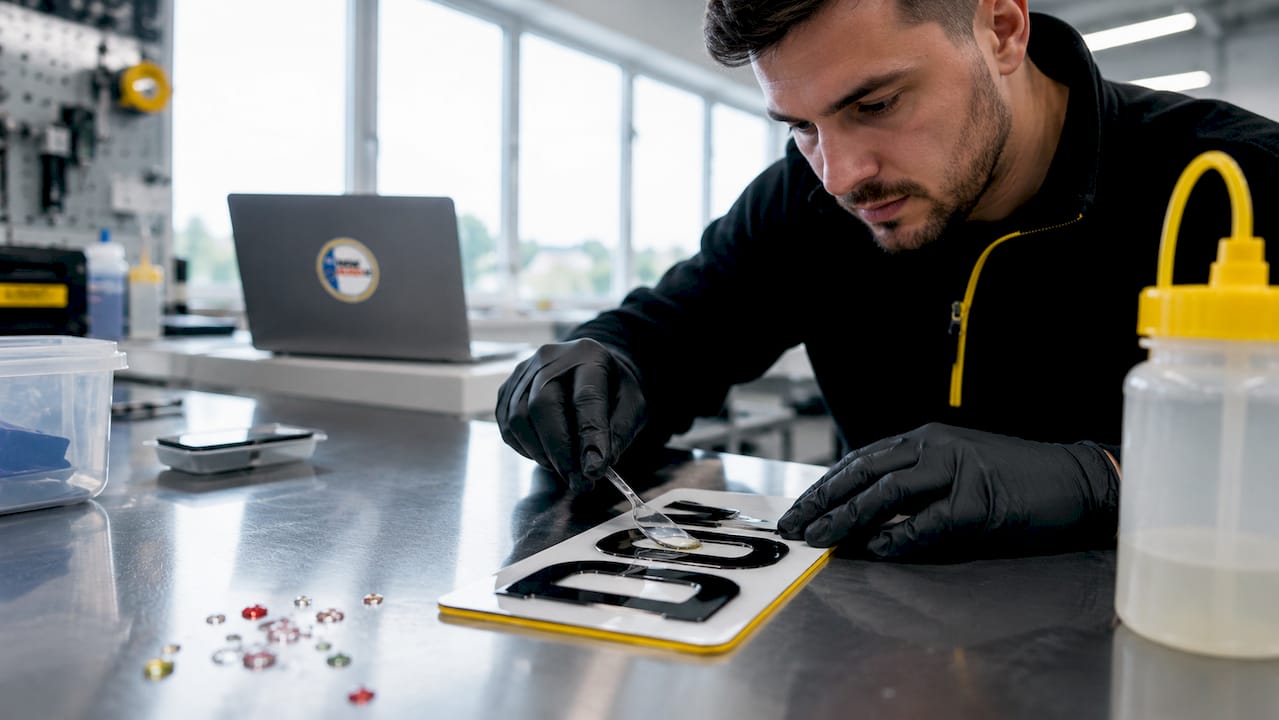
The name "4D" is not arbitrary marketing. The shadow effect created by raised acrylic characters in sunlight adds a visual dimension beyond the physical thickness itself, giving the plate a depth that shifts slightly as light angles change. That is the fourth dimension the name refers to, and it is genuinely striking in person.
Here is what goes into a properly constructed 4D gel plate:
- Laser-cut acrylic characters: Precision cutting produces sharp edges and consistent geometry, which matters for both aesthetics and legal character readability.
- Reflective substrate: The base plate uses a reflective background that meets Irish road standards for visibility and ANPR camera compatibility.
- Polyurethane gel dome: Dispensed over each character and UV cured for protection, the gel coat acts as a weather-resistant barrier against UV degradation and moisture.
- Automotive-grade adhesive: Characters are bonded with adhesives designed to withstand temperature swings, road vibration, and Irish weather conditions.
- High-gloss finish: The cured gel surface produces a deep, wet-look gloss that standard acrylic or flat plates simply cannot replicate.
Pro Tip: When inspecting a 4D gel plate before purchase, run your finger across the characters. The surface should feel smooth and domed, not rough or uneven. Rough edges suggest poor gel dispensing, which can affect both appearance and longevity.
How do 4D gel plates comply with Irish road legality standards?
Legal compliance is where many vehicle owners get caught out, and it is worth understanding exactly what Irish regulations require before ordering any plate. The rules are specific, and "it looks good" is not a legal defense if the gardaí pull you over for a non-compliant plate.
Irish number plate regulations mandate the following:
- Charles Wright 2001 font: This is the mandatory font for plates in Ireland. No stylized fonts, no condensed versions, no creative alternatives. The character geometry must match the specification exactly.
- Solid black characters: Characters must be solid black against the reflective background. Colored, chrome, or gradient characters are not legal for road use.
- Reflective substrate: The background must meet reflectivity standards equivalent to BS AU 145e:2018, which governs legibility under both daylight and artificial lighting conditions.
- Correct character dimensions and spacing: Digit height, stroke width, and spacing between characters are all regulated. Squeezing characters together to fit a style preference is not permitted.
- Supplier registration markings: Plates must carry supplier identification markings on the reverse, confirming the manufacturer's registration and accountability under Irish standards.
4D gel plates meet all of these requirements when produced by a certified supplier. The acrylic characters absorb infrared light while the reflective background reflects it, which is exactly what ANPR camera systems need to read plates accurately. The raised gel profile does not interfere with camera recognition when the plate is built to specification.
Compliance also depends on the supplier. Plates without proper registration markings or produced with non-standard fonts are illegal regardless of how good they look. Buying from a supplier who cuts corners on certification is asking for a fine and a failed NCT. Always verify that your supplier is registered and that the finished plate carries the required markings.
One principle worth keeping in mind: legal compliance centers on font geometry and character spacing, not on the raised dimension alone. A plate can be beautifully constructed and still fail legally if the character proportions are off.
What are the benefits of 4D gel plates for vehicle owners?
The appeal of 4D gel plates goes well beyond aesthetics, though the aesthetics are genuinely hard to argue with. Here is where they deliver real value:
- Premium visual depth: The combination of raised acrylic and domed gel creates a character profile that catches light and shadow in a way flat or 3D plates cannot match. On a clean car in good light, the effect is striking.
- Superior durability: The gel coat provides UV and weather resistance that extends the plate's usable lifespan significantly compared to standard options. Ireland's mix of rain, UV exposure, and temperature variation makes this a practical advantage, not just a selling point.
- Minor self-healing capability: Small scuffs on the gel surface can self-level on warm days, which means light contact marks from car washes or brushing against vegetation often disappear without any intervention.
- ANPR compatibility: When produced to Irish standards, 4D gel plates work perfectly with automated number plate recognition systems, so there is no trade-off between style and functionality.
- Ideal for personalized and show plates: Enthusiasts who invest in custom number plates want a finish that matches the quality of the rest of their vehicle. 4D gel delivers that without compromising legality.
Pro Tip: Clean your 4D gel plates with warm soapy water and a microfiber cloth. Avoid abrasive cleaners, pressure washers aimed directly at the plate surface, or solvent-based products. The gel coat is durable but not indestructible, and harsh cleaning strips the gloss faster than road exposure ever would.
The gel dome also serves a function beyond appearance. As a UV-stabilized protective barrier, it shields the acrylic characters from the weathering that causes cheaper plates to yellow and fade within a few years. That protection directly extends the plate's lifespan, which matters when you are paying for a premium finish.
How do 4D gel plates compare to other plate types?
Understanding the differences between plate types helps you choose the right option for your vehicle, budget, and intended use. The table below breaks down the key distinctions.
| Plate type | Character depth | Finish | Durability | Typical use |
|---|---|---|---|---|
| Standard 2D | Flat, printed | Matte or semi-gloss | Basic | Everyday road use |
| 3D gel | ~3mm domed gel | High gloss | Good | Road use, mild personalization |
| 4D acrylic | ~3mm laser-cut | Matte or satin | Very good | Enthusiast and show use |
| 4D gel | ~5mm acrylic + gel | High gloss | Excellent | Premium road and show use |
| 5D carbon effect | ~5mm with carbon overlay | Very high gloss | Good | Show plates, display use |
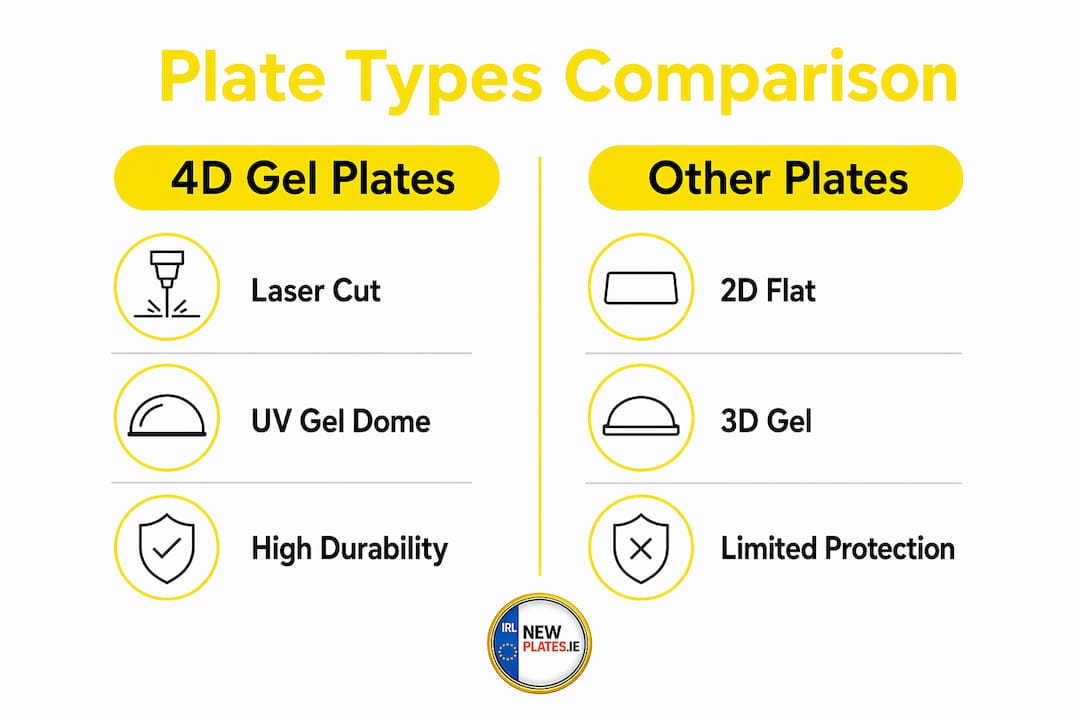
The key distinction between 3D gel plates and 4D gel plates is the character construction method. A 3D gel plate uses gel alone to form the raised character, while a 4D gel plate uses a solid laser-cut acrylic character as the structural base with gel applied on top. That acrylic core gives 4D gel plates sharper edges, greater impact resistance, and a more defined shadow effect.
4D acrylic plates and 4D gel plates share the same laser-cut acrylic base, but the gel dome on the 4D gel version adds gloss and weather protection that bare acrylic cannot provide. If you want the depth of a 4D plate with the gloss and durability of a gel finish, 4D gel is the logical choice. The premium pricing of 4D gel reflects that combination of superior aesthetics and construction quality.
5D plates, which add a carbon fiber effect overlay, are primarily show plates and are generally not road legal in Ireland. If you are buying for a vehicle that goes on public roads, 4D gel is the highest-specification option that remains fully compliant.
What to know before buying and maintaining 4D gel plates
Buying the right plate from the right supplier is as important as choosing the right plate type. Here is what to check before you commit:
- Supplier registration: Only buy from suppliers registered under Irish standards. Registered suppliers produce plates with the required identification markings on the reverse, which confirms accountability and traceability.
- Certification markings: Check that the finished plate carries the correct supplier markings. A plate without these markings is not road legal, regardless of how it looks.
- Font verification: Ask the supplier to confirm that Charles Wright 2001 font is used and that character dimensions meet Irish regulatory specifications.
- Installation alignment: When fitting your plate, take time to align it correctly before the adhesive sets. Crooked plates are not just an aesthetic issue. They can attract attention from the gardaí and suggest a non-standard fitting.
- Inspect after hard impacts: The gel coat can crack after significant impact, exposing the acrylic underneath. A cracked or damaged plate that compromises character legibility needs replacement, not just cleaning.
Pro Tip: If you are ordering a personalized plate, double-check the registration format before submitting your order. A typo on a custom plate is an expensive mistake, and a plate with incorrect characters is not road legal regardless of how well it is made.
Selecting 4D legal plates from a verified Irish supplier removes most of the compliance risk from the equation. The supplier's job is to get the construction right. Your job is to choose a supplier who takes that responsibility seriously.
Key takeaways
4D gel plates deliver the highest combination of visual depth, gloss, and legal compliance available for Irish road use, making them the top choice for vehicle owners who want premium personalization without sacrificing NCT readiness.
| Point | Details |
|---|---|
| Construction method | Laser-cut 3mm acrylic characters plus UV-cured gel dome produce ~5mm total depth. |
| Irish legal compliance | Charles Wright 2001 font, reflective substrate, and supplier markings are all mandatory. |
| ANPR compatibility | Acrylic absorbs infrared and reflective base reflects it, meeting camera recognition requirements. |
| Durability advantage | UV-stabilized gel coat extends lifespan and offers minor self-healing for light surface scuffs. |
| Buying priority | Always verify supplier registration and certification markings before purchasing any plate. |
Why I think 4D gel is the only plate worth considering for a serious build
I have looked at a lot of number plates over the years, and the gap between a well-made 4D gel plate and everything below it is not subtle. On a freshly detailed car, a flat printed plate looks like an afterthought. Even a decent 3D gel plate lacks the edge definition and shadow depth that makes a 4D gel plate genuinely impressive.
What I find most overlooked is the compliance angle. Owners spend thousands on paint, wheels, and modifications, then buy a cheap plate from an unverified source to save €20. That plate fails the NCT, attracts attention from the gardaí, and ends up costing more than the premium option would have. The math does not work in favor of cutting corners here.
The self-healing gel coat is also underrated as a practical feature. Irish roads and car washes are not gentle. A plate that can recover from minor contact marks without looking tired after six months is genuinely useful, not just a marketing claim.
My honest advice: buy from a registered Irish supplier, verify the font and markings, and treat the plate as part of the vehicle rather than an afterthought. A quality 4D gel number plate lasts, looks exceptional, and keeps you on the right side of the law without any compromise.
— Patrick
Get your 4D gel plates from Newplates
If you are ready to upgrade your vehicle's plates, Newplates offers a full range of certified 4D gel plates built to Irish road standards, with clear supplier markings and competitive pricing. Same-day dispatch is available on most orders, and the selection covers standard road plates, personalized registrations, and show plates across cars and motorbikes.
Newplates also carries custom number plates for owners who want to take personalization further, with options designed to match your vehicle's style while staying fully NCT compliant. Prices start from €15.99, and the ordering process is straightforward online. If you want plates that look as good as the rest of your build and hold up to Irish conditions, Newplates is the place to start.
FAQ
What makes 4D gel plates different from 3D gel plates?
4D gel plates use a solid laser-cut acrylic character as the structural base with a gel dome applied on top, producing approximately 5mm of total depth. 3D gel plates form the raised character from gel alone, resulting in less depth, softer edges, and lower impact resistance.
Are 4D gel plates road legal in Ireland?
Yes, 4D gel plates are fully road legal in Ireland when produced by a registered supplier using the Charles Wright 2001 font, a reflective substrate, and the required supplier identification markings. Non-compliant versions without these features are not legal for road use.
Do 4D gel plates work with ANPR cameras?
4D gel plates are fully compatible with ANPR systems when built to Irish standards. The acrylic characters absorb infrared light while the reflective background reflects it, which is exactly what automated camera recognition requires for accurate plate reading.
How should I clean and maintain 4D gel plates?
Clean 4D gel plates with warm soapy water and a soft microfiber cloth. Avoid abrasive products, solvent-based cleaners, and direct pressure washing, as these degrade the gel coat and reduce both gloss and lifespan over time.
What happens if my 4D gel plate gets damaged?
Minor surface scuffs on the gel coat can self-level on warm days. However, a hard impact can crack the gel and expose the acrylic underneath. Any damage that affects character legibility requires plate replacement to maintain road legality and NCT compliance.